Health Issues Rarely Start With Obvious Symptoms. That's As True for Dogs as It Is for Humans.
Your dog can't tell you when something feels off. But a new generation of monitoring technology is changing that — before it's too late.

Summary

Health problems don't usually begin with something dramatic.
They tend to start quietly — through small deviations that are easy to overlook. A slight change in sleep. A subtle shift in energy. Minor variations that don't feel meaningful on their own.
In human health, this is widely understood. Early detection has become the standard because catching something sooner changes what happens next — how it’s treated, how much it costs, and how serious it becomes.
That same logic, until recently, hasn’t really applied to pets.
Where things break down
Most pet care still depends on observation.
Owners watch for visible changes and act when something feels off. It’s a reasonable system, but it assumes that meaningful problems will show up in ways that are easy to see.
They often don’t.
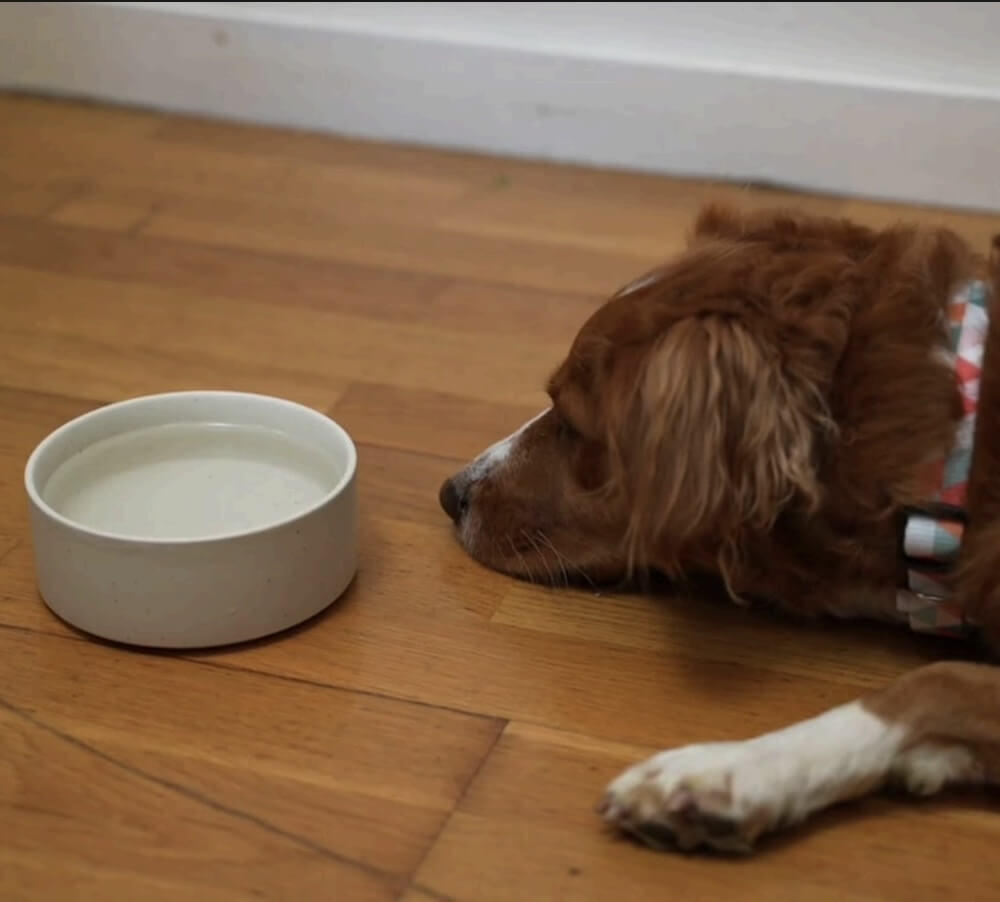
Dogs aren’t wired to draw attention to discomfort. Early changes tend to stay beneath the surface, showing up as small shifts rather than clear signals. By the time something stands out, it has usually been developing for longer than expected.
That gap — between when something begins and when it’s noticed — is where timing is lost.

Why timing matters more than people think
In human health, the difference between early and late detection is rarely small.
It affects the type of intervention, the level of complexity, and often the outcome itself. It’s also why people increasingly rely on continuous data rather than waiting for symptoms to appear.
For dogs, the stakes are similar, but the challenge is greater. They can’t describe what they’re feeling. They rely entirely on what can be observed — and that makes early-stage changes easier to miss, not less important.
The model has already been proven
Over the past decade, wearable technology has changed how people approach their own health.
Devices like the WHOOP Strap track patterns that aren’t visible day to day — sleep, recovery, heart rate trends — and surface changes before they become obvious. The value isn’t in the data itself. It’s in recognizing when something has shifted early enough to do something about it.
That same approach is now being applied to pets.
Extending that visibility to dogs
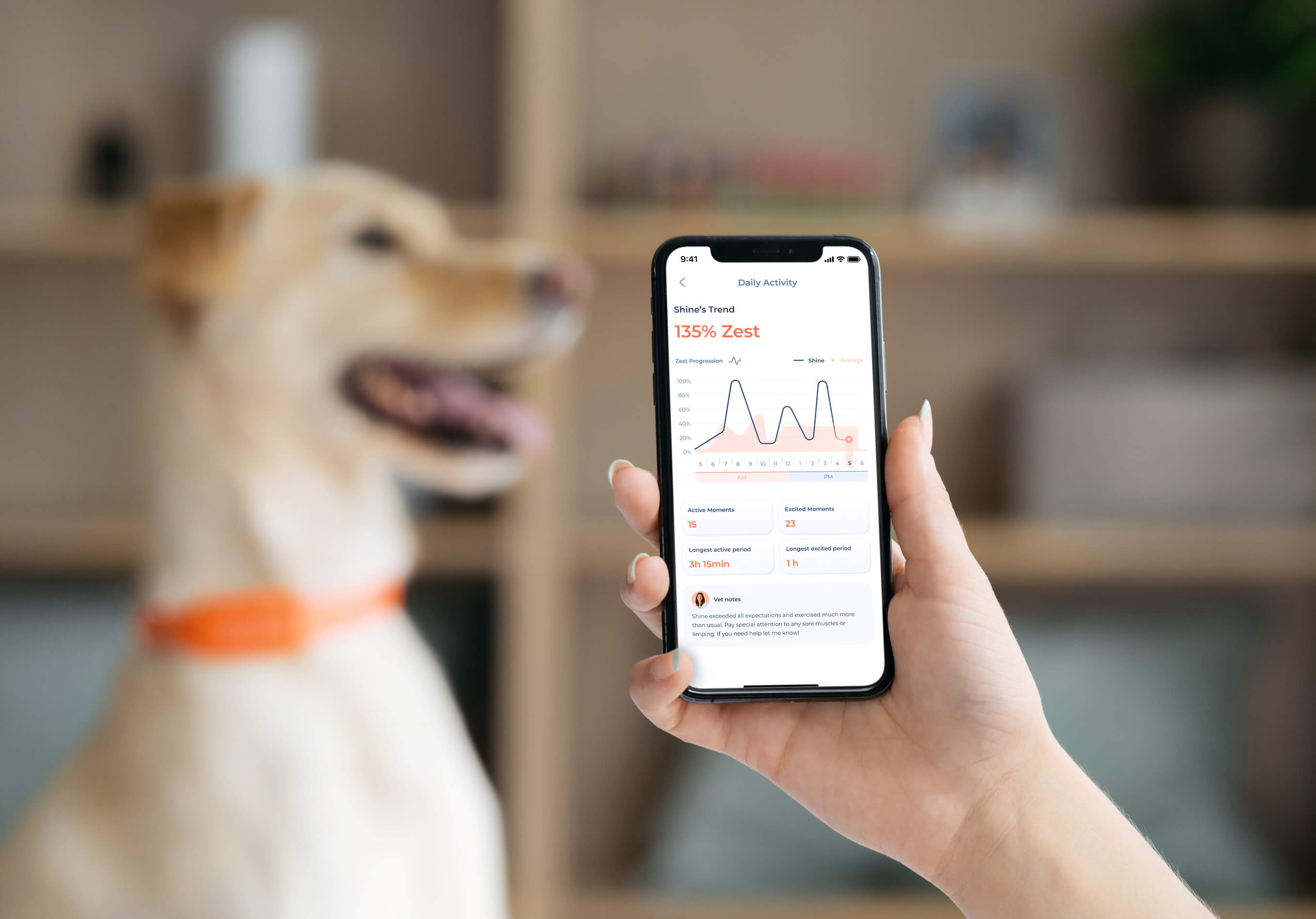
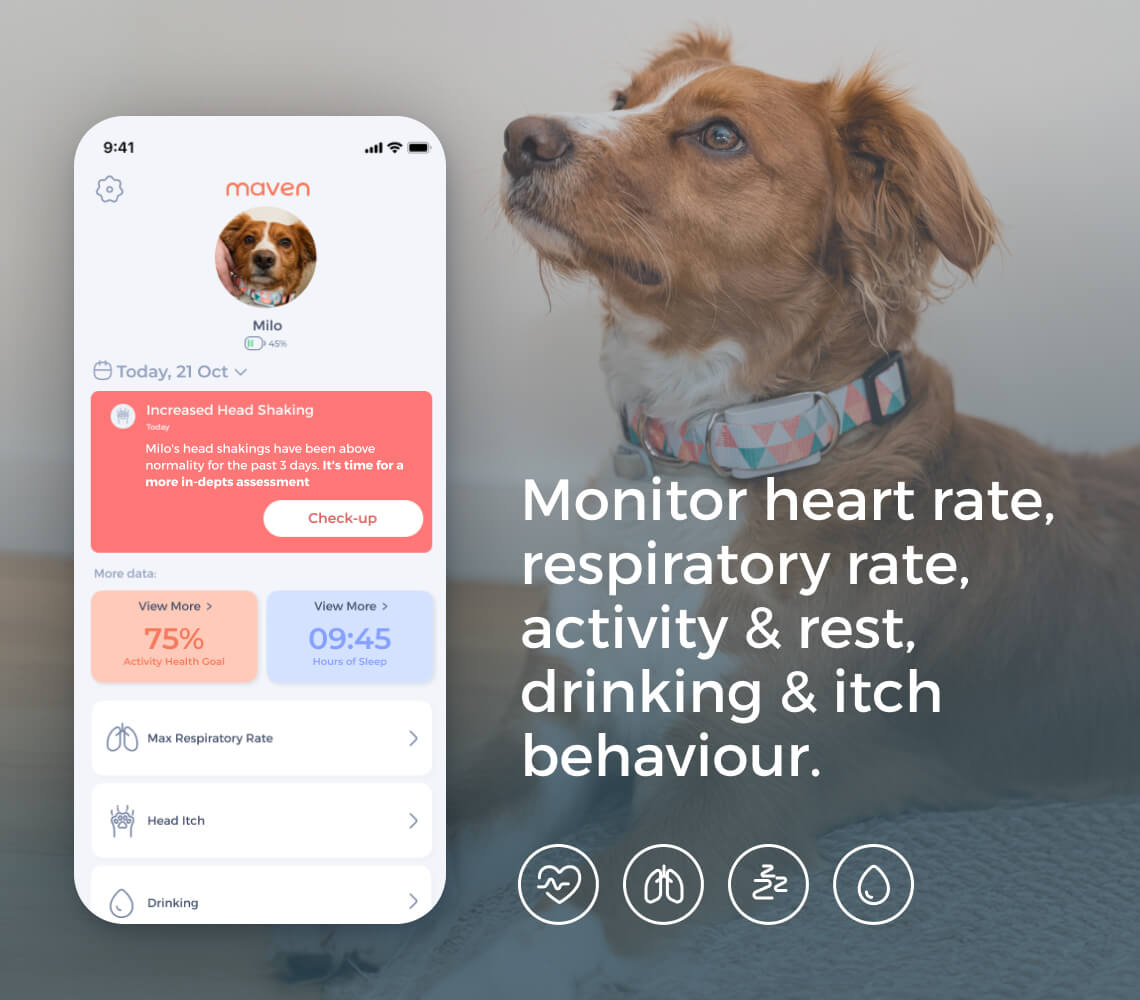
Maven Pet uses continuous monitoring to track indicators like heart rate, respiratory rate, activity, and sleep — building a baseline unique to each dog.
That baseline is what makes the system useful. Because meaningful changes rarely appear as extremes. More often, they show up as deviations from what’s normal for that specific animal — changes that wouldn’t stand out in a generalized range, but do stand out over time.
Why this lands differently for pet owners
The tracker is lightweight (just 14g) and waterproof, attac
hing directly to any existing collar. No special hardware or bulky accessories required.
For many people, dogs are no longer just pets. They’re treated as part of the family.
The difference is that dogs are more dependent. They don’t have the ability to explain when something feels off or changing. That responsibility sits entirely with the owner — which makes access to earlier insight less about convenience, and more about support.
Not because something is wrong. But because it removes the need to rely on guesswork.

A quieter shif in how people think about care
Traditionally, being attentive has meant watching closely and responding when something becomes clear.
But if the earliest signals aren’t visible, then even the most attentive approach has limits. What’s changing is the idea that awareness can extend beyond observation. That patterns can be tracked, not just noticed. And that small changes, when seen in context, can provide a clearer picture than waiting for something to stand out.
Where that leaves the decision
For those already familiar with how early detection has changed human health, the concept is straightforward.
The question is whether that same thinking should apply to animals that depend entirely on someone else to notice when something changes.
Because if the earliest signals are the ones that matter most — and they’re the ones least likely to be seen — then
having access to them changes the role of the owner from
reactive to informed.
Exclusive Reader Offer
30% Off
Maven Pet — Annual Plan
24/7 health monitoring for your dog. Track heart rate, respiratory rate, activity, and sleep — from just $13.99/month.